

Table of Contents
Introduction
Forex trading has become very popular in recent years, attracting both beginners and experienced investors. If you’re thinking about getting into currency trading, forex trading in Dubai is a great place to start. Dubai is known for its strong financial system, clear regulations, and safe environment for investors, which is why people from all over the world choose it for Forex trading.
Whether you’re completely new or already know a little about trading, Dubai gives you access to trusted brokers, modern trading platforms, and beginner-friendly learning programs. This guide will walk you through everything step-by-step, from understanding the basics to using smart strategies and avoiding the common mistakes most beginners make.
What is Forex Trading?
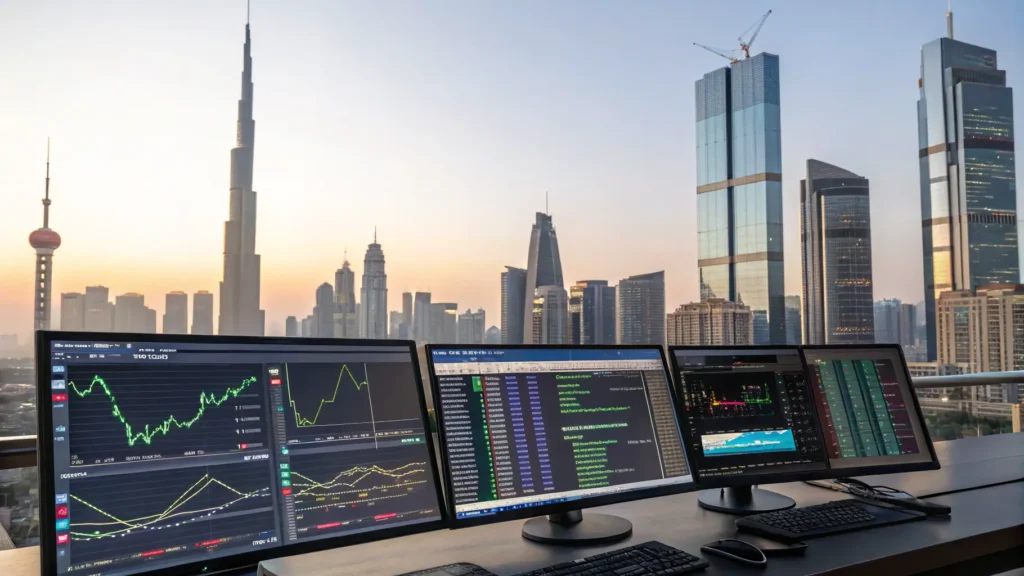
Forex, or foreign exchange, is the global market where people buy and sell different currencies. Unlike the stock market, Forex runs 24 hours a day, five days a week, so traders can react instantly to news and market changes happening around the world.
The idea is straightforward: you buy a currency when you think its value will go up, and you sell it when you think it will go down. But successful forex trading in Dubai is not just about guessing. It requires the right knowledge, a clear strategy, and emotional discipline. Beginners must learn how the market moves, how currencies behave, and how to use basic technical tools before making decisions.
Forex is always traded in pairs; for example, EUR/USD (Euro vs US Dollar) or USD/JPY (US Dollar vs Japanese Yen). These pairs show how much one currency is worth compared to another. Understanding how these currency pairs work and what affects their movement is the key to becoming a confident and successful trader.
Why Dubai Is Ideal for Forex Trading
Dubai has become one of the most popular places for forex trading and it’s not hard to understand why. The city’s strong global connectivity is a big advantage, but there’s much more to it. Dubai offers modern infrastructure, and the Dubai Financial Services Authority (DFSA) ensures the market stays safe, transparent, and well-regulated. Traders from the UAE and around the world trust Dubai because of its open economy and attractive tax benefits. With plenty of licensed brokers and financial institutions, trading here feels secure and reliable.
For beginners, Dubai is even more appealing. You’ll find advanced trading platforms, workshops, and local training seminars everywhere, making it easy to learn forex trading step by step and build real confidence.
Understanding Forex Trading Basics
Before you start live trading, it’s important to get comfortable with the basic ideas of Forex:
- Currency Pairs: Forex is always traded in pairs. Popular pairs like EUR/USD and USD/JPY are usually more stable and have high liquidity. Minor and exotic pairs can be riskier, but they may offer bigger profit opportunities.
- Bid and Ask Price: The bid is the price at which you can sell a currency, and the ask is the price at which you can buy it. The small gap between the two is called the spread, which is basically the broker’s fee.
- Leverage: Leverage lets you trade bigger positions with a smaller amount of money. It can boost your profits, but it also increases your risk. That’s why beginners should always start with low leverage.
- Margin: Margin is the money you need to open and keep a leveraged trade active. Understanding how margin works helps you avoid unexpected margin calls.
- Pips and Lots: A pip is the tiniest price movement in a currency pair, and a lot is the standard trade size. Knowing these helps you calculate your potential profits and losses correctly.
Having a clear understanding of these basics will give you a strong foundation for successful forex trading in Dubai.

Step-by-Step Guide to Starting Forex Trading in Dubai
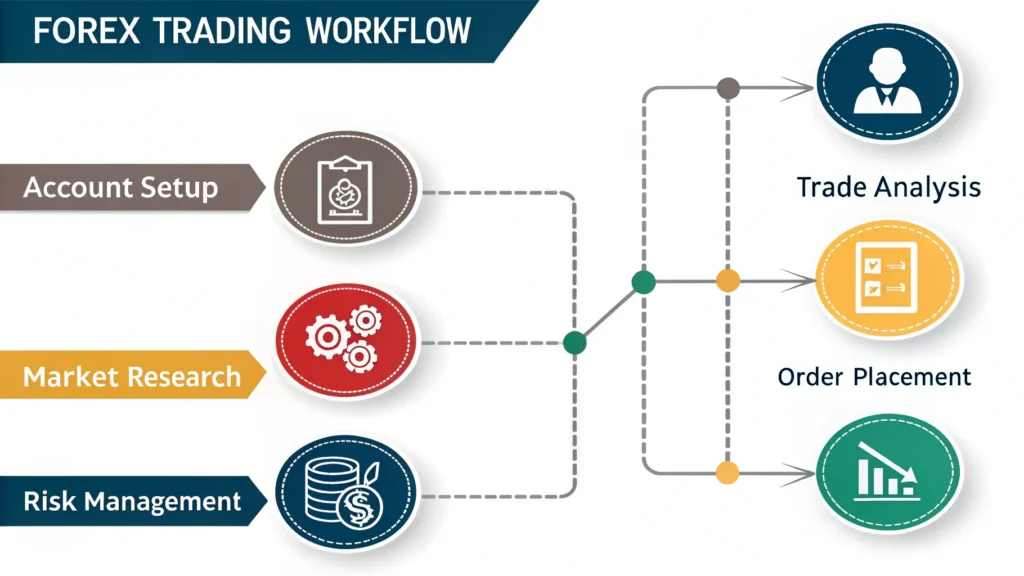
Starting Forex trading can feel overwhelming in the beginning, but when you follow a clear plan, it becomes much easier to understand and manage. Here’s a simple, beginner-friendly path to get started:
Step 1: Choose a Regulated Broker in Dubai (DFSA Approved)
Your first move should be picking a broker that’s regulated by the DFSA. This gives you protection and transparency and follows Dubai’s strict financial rules. Don’t just pick any broker; check reviews, compare fees, and understand what tools and services they offer before making a choice.
Step 2: Open a Demo Account for Practice
Before risking real money, create a demo account. It lets you practice with virtual funds in real market conditions. This helps you understand how trading works, try different strategies, and build confidence without any financial risk.
Step 3: Learn Popular Trading Platforms (MT4, MT5, cTrader)
Platforms like MetaTrader 4, MetaTrader 5, and cTrader are widely used in Dubai. They come with charts, indicators, and advanced tools that help you analyze the market and place trades efficiently. Learning these platforms will make trading much easier.
Step 4: Fund Your Account (Minimum Deposits & Payment Methods)
When you feel ready, open a live account and add funds. Dubai brokers usually support multiple payment options like bank transfers, debit/credit cards, and e-wallets. Just make sure you’re aware of the minimum deposit requirements and any transaction fees.
Step 5: Place Your First Trade
Choose a currency pair, review its trend, and decide your trade size. Always use a stop-loss and take-profit to control your risk. Start with small trades—it reduces stress and helps you learn without big losses.
Step 6: Track Performance & Manage Risk Regularly
Keep a trading journal to record your trades, mistakes, and improvements. This helps you understand what works for you. Also, never risk more than you can comfortably lose, and avoid emotional decisions. Good risk management is what keeps beginners from blowing their accounts.
Risk Management in Forex Trading
Even experienced traders agree that risk management is the heart of successful forex trading in Dubai. It’s all about protecting your capital and making smart, calculated moves instead of taking unnecessary risks. One of the most important habits for beginners is always using stop-loss orders—these automatically close your trade if the market moves against you, helping prevent big losses. Another key factor is managing your position size properly, meaning you should only use a small percentage of your capital for each trade.
Before entering any trade, it’s important to check the risk-reward ratio to make sure the potential profit is worth the possible loss. And just as important as all the technical rules is emotional discipline. Avoid making quick, emotional decisions based on fear, excitement, or greed. By following these simple but powerful risk management practices, beginners can trade more confidently, protect their money, and gradually build the skills needed for long-term success in the Forex market.
Tips for New Traders
If you’re just getting started with forex trading in Dubai, don’t fall into the trap of thinking it’s only about charts and indicators. Yes, those matter—but discipline, consistency, and knowledge matter even more. Stay updated with global economic news because major events can impact currency movements instantly. Spend time practicing on demo accounts before switching to real trades. Also, make use of the local webinars, workshops, and training sessions available in Dubai—they can boost your understanding and help you learn faster.
Another excellent habit is keeping a trading journal. Write down your winning trades, losing trades, and the reasons behind them. When you look back, you’ll start noticing patterns and mistakes, which will help you improve your strategy and avoid repeating the same errors.
Here are a few quick tips to remember:
- Always start with a demo account.
- Choose DFSA-regulated brokers only.
- Use stop-loss and take-profit orders every time.
- Trade with small amounts and avoid high leverage.
- Keep learning, improving, and adjusting your strategy as the market changes.
- Keep learning and changing your strategies as you go.
Common Mistakes to Avoid
Many beginners fall into the same common mistakes when they start forex trading in Dubai, and these can seriously slow down their progress. One of the biggest issues is over-leveraging, using too much borrowed capital, which can lead to heavy losses even with small market movements. Another frequent mistake is trading without a proper strategy or plan, which often leads to inconsistent results and confusion. Ignoring global economic news or major financial events can also hurt your trades, as currency markets react quickly to worldwide developments. On top of that, emotions like fear, greed, or impatience can push traders into making poor decisions, even when they know better.
The good news is that Dubai provides plenty of support through educational platforms, training programs, and reliable broker guidance to help beginners avoid these pitfalls. However, true success still depends on your own discipline, consistency, and willingness to learn and improve over time.
Conclusion
Forex trading in Dubai presents excellent opportunities for beginners who are eager to learn and trade responsibly. With a regulated environment, advanced trading platforms, and access to local financial education, Dubai provides the perfect foundation to start your Forex journey. Starting with a demo account, mastering the basics, applying effective risk management, and gradually transitioning to live trading can help you develop both skill and confidence as a Forex trader.
For those looking for reliable tools, resources, and guidance tailored for beginners, you can explore more on Smart Trade Community to enhance your Forex trading knowledge and experience.