

Table of Contents
Summary
This guide explains everything in a simple and honest way. Whether you are just exploring the idea or seriously considering opening your first trading account, this article will help you understand Forex trading in Dubai as it truly is—clear, practical, and realistic, without hype, complex terms, or false promises.

Introduction
Forex trading in Dubai has become a hot topic recently. From beginners looking for online income options to experienced traders moving to the city for better financial freedom, Dubai is now considered a major destination for currency trading. The rise of social media, easy-to-use trading apps, and success stories shared online have made more people curious about how forex trading works in the UAE.
But as interest grows, so does confusion. Many newcomers have the same questions before they begin: Is forex trading actually legal in Dubai? Are the profits really tax-free, or is that just a myth? And what rules should traders follow to trade safely and legally?
Why Forex Trading in Dubai Is Growing So Fast
Dubai is known as one of the most business-friendly and financially strong cities in the world. Its location between Europe and Asia, a reliable banking system, and easy access to global markets make it a natural choice for traders and investors from different countries.
One of the biggest reasons Forex trading in Dubai has grown so quickly is the UAE’s tax system. Since there is no personal income tax, traders are able to keep more of what they earn compared to many other regions. For people who trade regularly, this makes Dubai an especially attractive place to be.
Another important reason is how simple trading has become. Forex trading no longer needs a physical trading desk or large starting capital. With just a reliable internet connection, a mobile phone or laptop, and a trading account, anyone can get started. Dubai’s diverse population also plays a role, as traders from Europe, Asia, and the Middle East bring different skills and strategies, helping create a more active and mature trading environment.
What Is Forex Trading? A Simple Explanation
Forex trading, often called foreign exchange trading, simply means buying one currency and selling another at the same time. These currencies are traded in pairs like EUR/USD or GBP/AED. Traders try to make money by predicting whether one currency will go up or down in value compared to the other.
For instance, if a trader thinks the euro will become stronger than the US dollar, they might buy the EUR/USD pair. If the market moves in their favor, they can exit the trade and make a profit. If the market moves the opposite way, they may face a loss instead.
One key difference between forex and stock markets is trading hours. The forex market runs 24 hours a day, five days a week. This is especially convenient for traders in Dubai, as they can trade during Asian, European, or US market hours based on what fits best with their daily routine.
Is Forex Trading Legal in Dubai?
Yes, Forex trading in Dubai is legal, but it comes with certain rules. Trading is allowed as long as it is done through brokers that are properly licensed and regulated. The UAE follows strict financial regulations to protect traders, ensure fair practices, and reduce the risk of fraud.
Issues usually happen when traders choose unlicensed or offshore platforms that do not follow UAE regulations. In such cases, the trader may not be doing anything illegal personally, but they are putting their money at serious risk. Such situations can lead to problems like losing funds, falling into scams, or having no legal support if something goes wrong.
Understanding this difference is essential for anyone planning to start forex trading in Dubai, as choosing the right broker plays a major role in staying safe and compliant.
Who Regulates Forex Trading in Dubai?
Official financial authorities oversee forex trading in Dubai, ensuring brokers adhere to strict rules and standards. These regulators primarily aim to safeguard traders, foster transparency, and guarantee fair and ethical trading practices.
Licensed brokers must follow specific guidelines, such as keeping client money separate from their own business funds, maintaining sufficient capital to operate safely, and clearly explaining the risks involved in trading. These rules help reduce misuse of funds and give traders more confidence in the system.
Because of this, choosing a regulated broker is one of the most important steps for any trader. Choosing a regulated broker not only protects your money but also guarantees that you can address any issues through the appropriate legal channels.
Can Individuals Legally Trade Forex in Dubai?
Both UAE residents and expatriates are allowed to trade forex in Dubai. If you are trading with your money and not handling funds on behalf of others, you do not need a separate trading license for personal trading.
Most brokers only ask traders to meet simple requirements, such as being above the minimum age and completing identity checks through KYC (Know Your Customer) verification. Once you complete these steps, you can open a trading account and begin trading legally.
This ease of access is a big reason why Forex trading in Dubai appeals to both beginners who are just starting out and experienced traders looking for a flexible and well-regulated market.
Is Forex Trading in Dubai Really Tax-Free?
The tax advantage draws people to Forex trading in Dubai. For individual traders, there is currently no personal income tax or capital gains tax on profits made from forex trading. To put it simply, the majority of retail traders are exempt from paying taxes on their trading profits.
That said, “tax-free” does not mean there are no rules or risks involved. Traders still need to follow financial regulations, use approved brokers, and meet any reporting requirements if applicable. Tax laws can also change in the future, so it’s important to stay updated and trade with proper awareness.
When Can Forex Trading Become Taxable in Dubai?
Forex trading can become taxable in Dubai when it is treated as a business instead of personal investing. For instance, if someone trades through a registered company or provides trading services professionally, corporate tax rules may apply under UAE law.
The above scenario usually impacts full-time or high-volume traders rather than individuals who trade occasionally for personal income. Still, anyone trading on a large scale should consider speaking with a qualified financial or tax advisor to make sure they are following all local regulations and staying compliant.
How to Trade Forex Legally in Dubai
To trade forex legally in Dubai, the first and most important step is choosing a licensed and regulated broker. This guarantees the protection of your trading activities under UAE financial laws. When opening an account, brokers usually ask for basic details such as identity proof, address verification, and confirmation that you understand the risks involved in trading.
Legal trading also means being responsible as a trader. This includes understanding how leverage works, knowing margin requirements, and following the rules of the trading platform you use. Trading legally isn’t just about being allowed to trade—it’s about making informed decisions and following ethical trading practices.
Common Mistakes Forex Traders Make in Dubai
Many beginners step into forex trading expecting quick and easy profits. Some get influenced by ads or social media posts that promise guaranteed returns, while others use very high leverage, hoping to make fast money. In most cases, these choices lead to losses rather than success.
Another common mistake is ignoring regulations. Some traders choose unlicensed platforms because they look simpler to use or offer higher leverage. While such an approach may feel appealing at first, it greatly increases the risk of losing money and having no protection if problems arise.
Successful Forex trading in Dubai takes time, learning, and self-control. Traders who focus on building knowledge, managing risk, and staying disciplined are far more likely to see steady results in the long run.
Is Forex Trading Halal in Dubai?
This is an important point for many traders in the UAE. Forex trading on its own is not automatically considered haram. The main concerns usually come from elements like interest charges (swap fees) and overly speculative trading behavior.
Many brokers offer Islamic or swap-free accounts, designed to adhere to Islamic finance principles and steer clear of interest. However, given the diversity of personal beliefs and interpretations, we advise traders to seek guidance from a trusted religious authority if they have specific concerns.
Risks You Must Understand Before Trading Forex
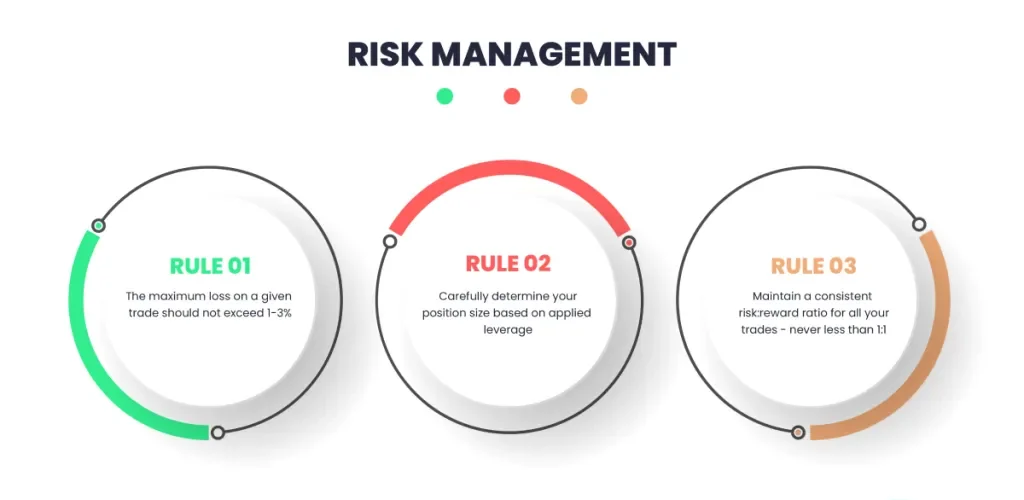
Forex trading comes with real financial risk. Currency prices can move rapidly because of economic news, global events, or changes in market sentiment. If a trader does not manage risk properly, losses can happen faster than expected.
Being aware of these risks is an important part of responsible trading. Learning how the market works, practicing with demo accounts, controlling emotions, and having realistic expectations are just as important as using any trading strategy.
Forex Trading in Dubai vs Other Investment Options
When compared to real estate or long-term stock investments, forex trading offers more flexibility and liquidity. Trades can be opened and closed within minutes or hours, and money is not tied up for long periods of time.
At the same time, forex trading comes with higher short-term risk. Because of this, many investors in Dubai prefer to use forex as one part of a diversified investment plan, instead of depending on it as their main or only source of income.
Final Thoughts
When compared to real estate or long-term stock investments, forex trading offers more flexibility and liquidity. Trades can be opened and closed within minutes or hours, and money is not tied up for long periods of time.
At the same time, forex trading comes with higher short-term risk. Because of this, many investors in Dubai prefer to use forex as one part of a diversified investment plan, instead of depending on it as their main or only source of income.